Written by Lonely | Edited by Tom Garback
Reviewing movies, especially of saturated genres like horror, isn’t rocket science. We all do it, whether from the couch or more formally on a public platform. I made the jump from couch reviewer to horror content blogger about a year ago. If you’re interested in getting into the sphere of reviewing formally, here are five elements I use to review horror films:
- Diversity of Voice & Story
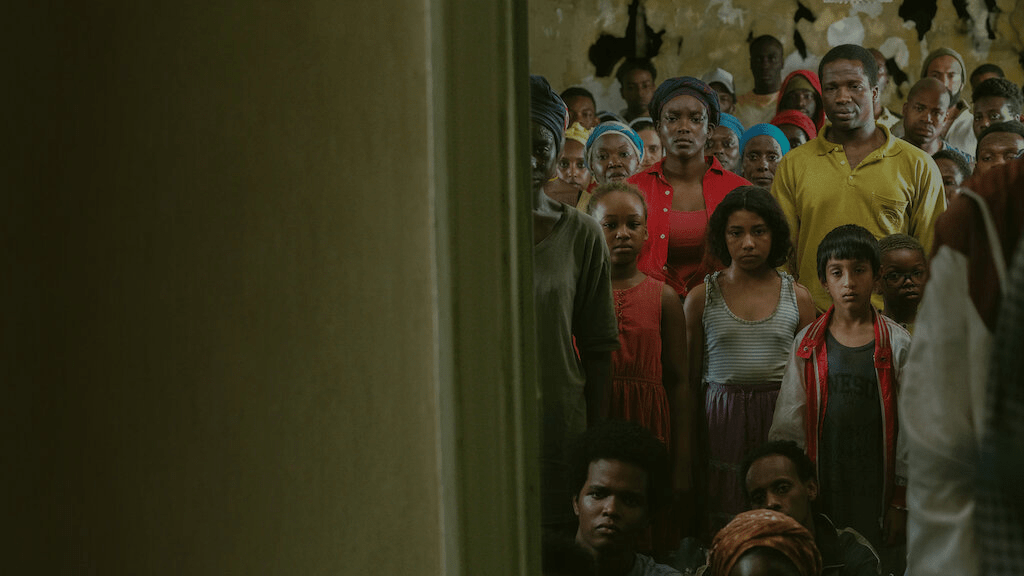
Film culture generally, and especially popular horror, tends to be white male centric. If you think of the major pillars of the horror genre – Halloween, A Nightmare on Elm Street, Friday the 13th – all of these films feature a predominantly white cast, the final girl trope, violence and sexualization against women. Some reviewers and audiences may call this more of an indicator of the time these films were made, and there is merit to that. But, in this time, we need to expect more of horror. Films should feature a diverse cast and voice as it relates to gender, race, sexuality, and point of view to truly capture authentic lenses of what is horrific culturally. During your watch through, pay attention to the tropes, stereotypes, and casting, these are all conscious choices made in production – so what are they telling you?
- Context & Relationship to the Genre
To think about horror films critically, it’s important to examine how the film fits into the genre historically. Each sub genre has its expectations as it relates to storyline, special effects, and overall watchability. The expectations of a zombie film are different from a slasher, and so on. Additionally, the debate of how to consider art and its artist is forever ongoing and changing. But I personally find it to be a misstep to not consider who is telling each story, when the story is written, and how it impacts its relationship to commercial or audience reception. Nobody should be expected to be an expert on the entire history of film, especially if you’re reviewing as a hobby, so when you sit down to do your review – do your research on the film, its subgenre, its expectations, and its director.
- Individuality & Uniqueness
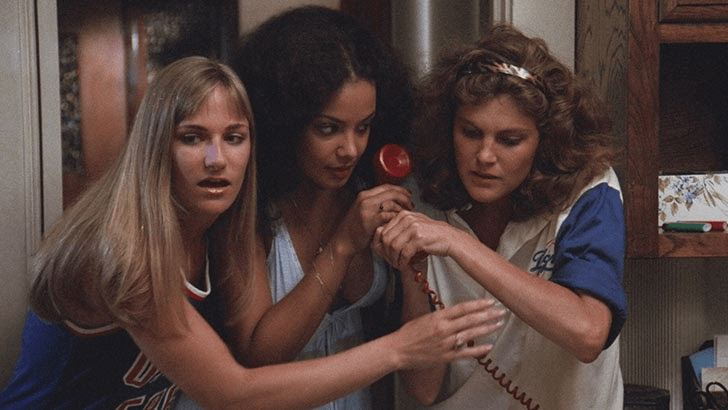
Since horror is such a saturated genre, where we often see the same stories and tropes over and over, I work to consider how unique a film’s storyline is. A horror film that can bring something unique to the genre, no matter how technically inadequate the filmmaking is, holds its own merit. It takes talent to write an engaging story that doesn’t exist in this genre and that deserves to be acknowledged.
- Technical Capacity
The average media consumer, including me, is not a media production expert. Which means that most of us have passing knowledge about what makes a technically “good” film, like cinematography, acting, and screenwriting. You don’t need a film degree to comment on technical capacity, but I do recommend coming from a place of prior knowledge of films you’ve seen and historical performance of current and former directors. Unless you do have a background in production, this is a layperson’s insight on the technical elements of a film – and that is 100% okay!

- Personal Viewing Experience
At the end of the day, movie reviews are opinion pieces. I personally go into each review with the goal to think as critically about a film as possible. Did this storyline land with me? Did this film scare me? Would I watch this again? Do I genuinely recommend watching this? I don’t ever set out to give a film a low rating, but I also accept there are subgenres and storylines that I generally don’t enjoy. If you consider horror as much of an art as I do, I encourage you to think about how to engage with the viewing experience beyond your own preference and hear opinions from others.
As a closing note, I want to offer a word of advice. In the world of social media, once you put your opinion out into the ether that is the internet, you will absolutely get people who disagree with you. It comes with the territory. Fans, fandoms, and die-hards can be a brutal and complicated crowd when you’re on the opposite side of the fence on a new release. I’ve had my fair share of nasty messages and comments even as a small reviewer. Don’t let the fear of discourse keep you from writing – remember, you’re writing a movie review not achieving world peace. It’s not that serious.
Special thank you to @reviews_by_tom for red penning this for me on short notice. You all should know that behind any well written piece is a ruthless copyeditor who forces you to accept your every flaw. Just kidding – or am I?

 Lonely Horror Club