
“Lonely, where is your Nosferatu (2024) review?!”
Many of you have noticed that I have not written a review for Nosferatu (2024), despite seeing it almost a month ago and spending countless hours cross referencing it to the 1922 and 1979 versions to prepare for our special on No Bodies.
What has kept me from writing this is – my somewhat controversial take on the film and how it relates to the femme experience. I’m no stranger to controversial takes in the genre, and I’m not one to shy away from sharing my opinions, even when they are not popular.
But the Nosferatu discourse has been enthralling, as we watch gothic storytelling consumed by the masses for what might be the “first” time. At the time of writing, Nosferatu (2024) has surpassed $155 million in global box office earnings, outearning Smile 2 (2024) and most other recent horror releases. When horror is mass consumed, it is consumed by those both familiar and unfamiliar with its goals and genre expectations.
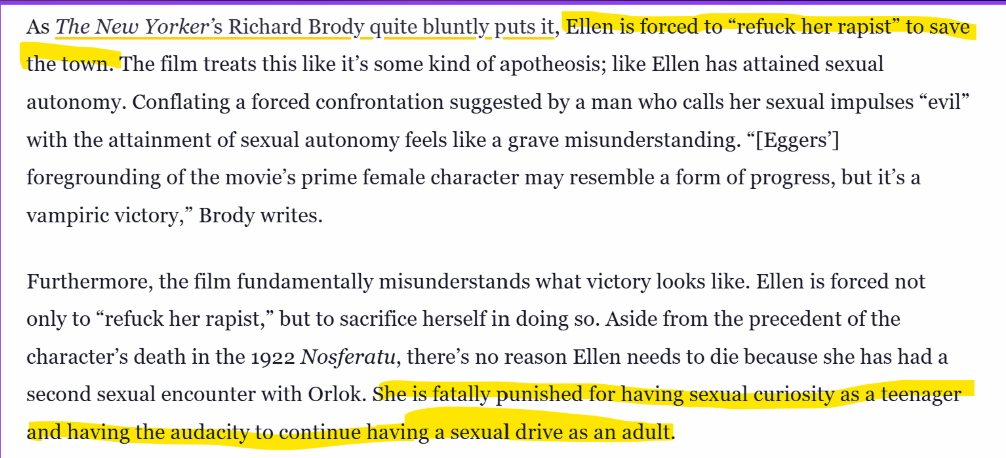
In the era of taking a closer look at the gender biases in society, several interesting takes have come to the surface of the Nosferatu discourse – most notably, that Count Orlok is a sexual predator and to see any true desire in his character is morally wrong.
Court of Public Opinion
From TikTok to X to other film reviews – the jury is still out on what exactly is happening in the relationship between Ellen and Count Orlok in this film. That is the beauty of film. For the most part, it is up to interpretation. However, there are some key genre expectations in vampire and gothic romance that should be considered when forming an analysis.

Vampires, Sex, Queerness, and Otherness
Vampires have long been seen as a symbol for carnal desire in literature and film. Vampire stories rose to their prominence in the 1800s, a time when sexuality was a socially unacceptable thing to explore. The violence and darkness of these creatures served as a foreboding and frightening warning of sorts – proof that giving in to sexual pleasure could only lead to death, or worse, eternal damnation.
These creatures of the night have been used as foils for both femme and queer sexuality for decades. Because what was worse than having a sex drive in Victorian England? Being a woman or a queer person with a sex drive in Victorian England.
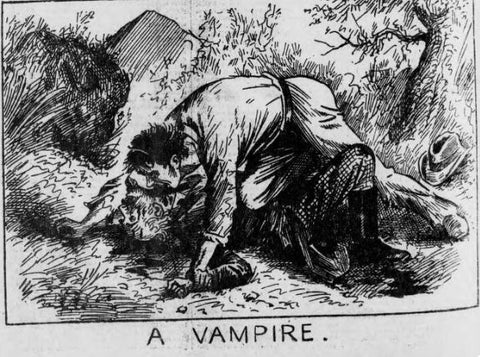
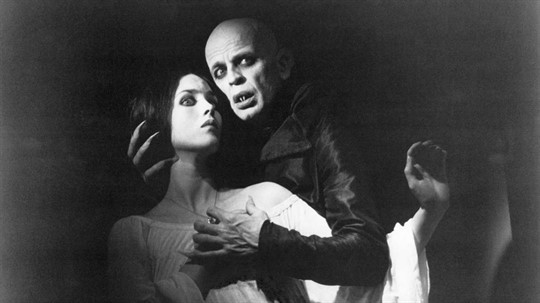
Throughout the renditions of Nosferatu, but most prominently in the 1979 version, we see Count Orlok as both monstrous and desirable. He symbolizes a reality that strays from the god fearing reality the story is set in – he is alluring because he is forbidden – much like the idea of sin. What has been considered “sexually deviant” has changed across eras and cultures, but what will always remain the same is that humans will always seek to make someone “the other.” Sex that does not look like mine must be bad – right? It must be evil – right? And in these questions lies the gray and nihilistic space where vampires will continue to exist.
Gothic Romance and Femme Sexuality
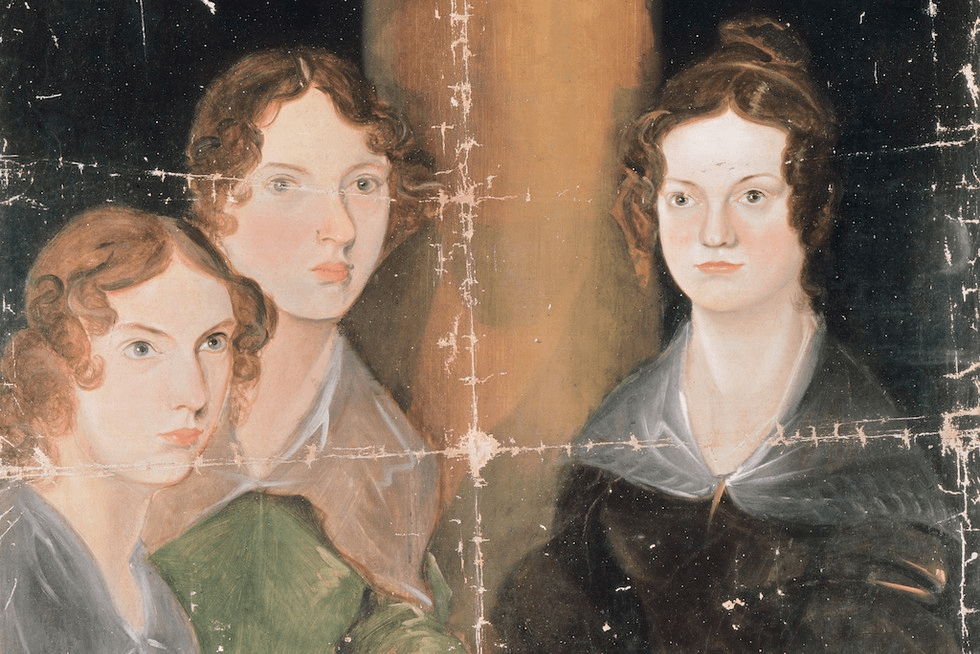
Mary Shelley, Charlotte Bronte, Emily Bronte, Ann Radcliffe.
Dr. Frankenstein, Edward Rochester, Heathcliff, Count Hippolitus.
Women built the gothic literary space in the 1800s, and primed the genre with what would be pillar examples of moody and gloomy romantic men. Known more contemporarily, as “the morally gray man” archetype, early gothic literature explores the desires of women to go beyond the tightly wound expectations society has laid out for them. The desire for what is “other” – personal and sexual independence and freedom – is a driving force in gothic romance literature.
Nosferatu (1922) is based on the prominent gothic novel Dracula by Brahm Stoker, which was obviously not written by a woman. But, I’d go as far to say that both the 1979 and 2024 movie renditions do approach the topics of femme sexuality in a bold and unconventional way, steering far from Stoker’s dated rhetoric. The lead characters of 1979 and 2024, Lucy and Ellen, are portrayed as highly independent, intelligent, and willful – all attributes that stand as a stark contrast to the societal expectations at the time. They serve as heroines in a story that is driven by their own choices (with of course, the overtone of supernatural interference).
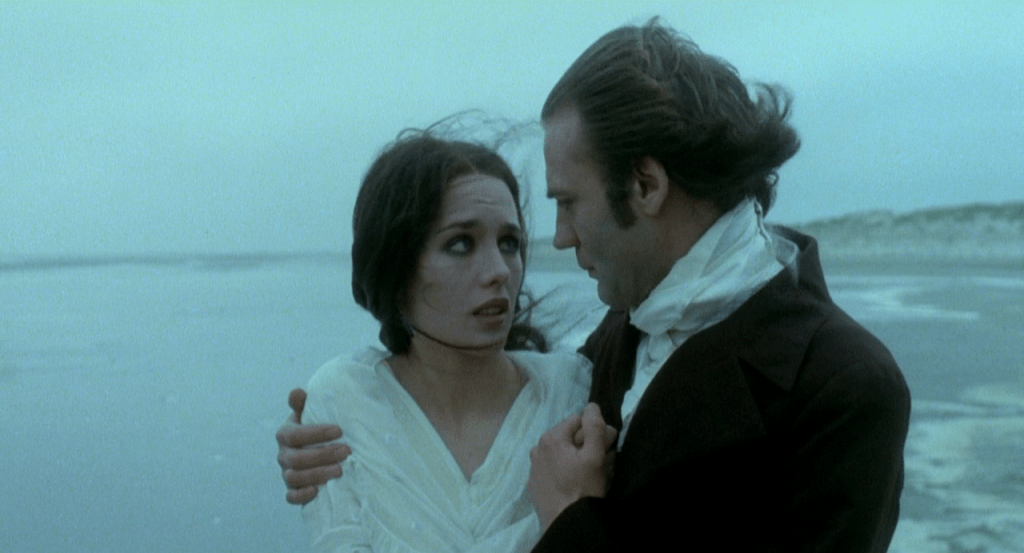
From my perspective, Lucy’s and Ellen’s interactions with Count Orlok are similar in that both films – they are the ones in power. They dictate whether humanity lives or dies – based on their will, based on their choice to fulfill their desire. Both of their choices to ultimately sacrifice themselves for the good of mankind speak to the weight of societal pressure, especially in the era this story is set.
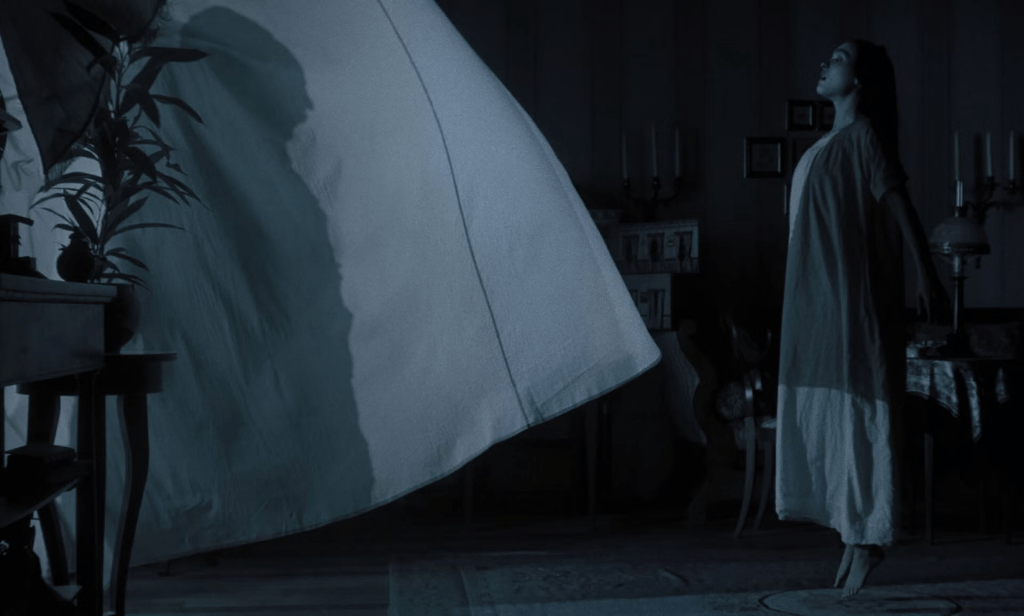
Which version of the Count comes out on top?
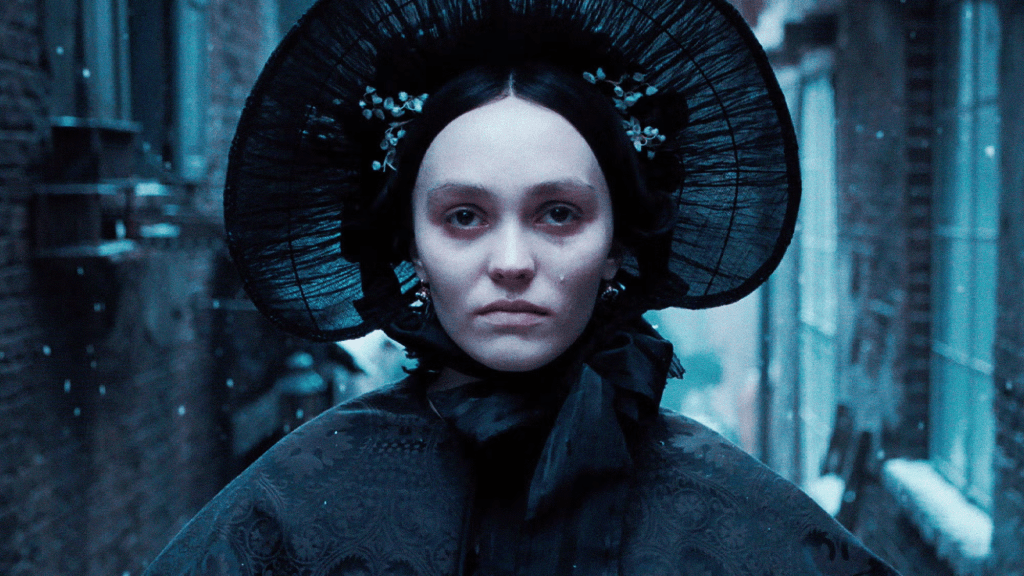
Nosferatu (2024) was a gorgeously made film. Eggers continues to be one of the most meticulous and artistically inclined directors in the game. The ability for this film to capture the ambiance of the gothic genre so perfectly, is impressive.
However, Eggers’ consistent pitfall is his pacing. This film is about 30 minutes too long, and takes too long to get to its climax. Though I found the acting entertaining across the board, I was very let down by the artistic choices made to style Nosferatu. I’m sorry – I hate the mustache. The monster art felt more like a ghoul than a vampire. But in some ways this appeals to the monstrous sexuality theme in the film. On my rating scale, this film sits firmly at a 3 out of 5.
After seeing all three versions of the film, I have to say that Nosferatu: The Vampyre (1978) stands out as my personal favorite. Its storytelling, aesthetic, and individuality help the film hold its own against the contemporary release.
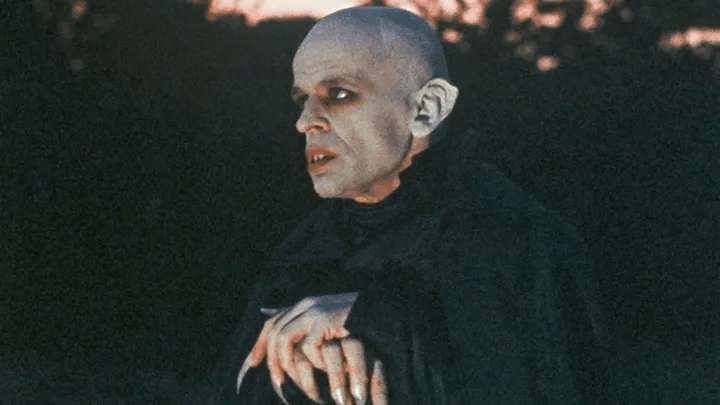
And what about the sexual violence narrative?
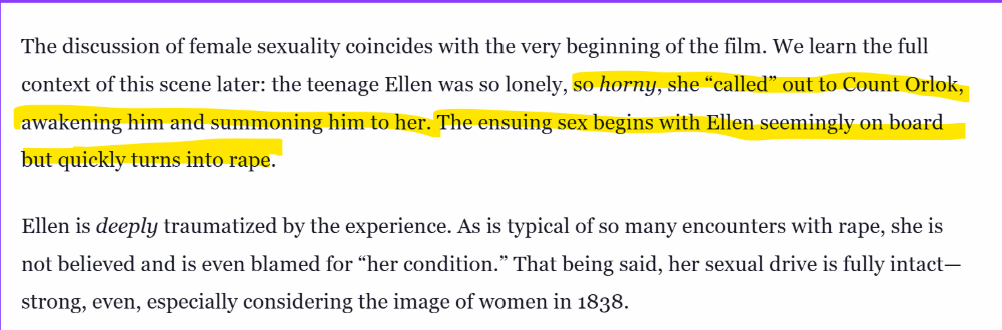
Do I think Count Orlok is a sexual predator who has been grooming Ellen since puberty with the intent to rape her? No, I do not. I personally didn’t interpret Ellen and Orlok’s first sexual encounter in Act One as rape, though I did interpret it as monstrous and horrific, because this is – wait for it – a horror film. I also have not found any interviews or research on the scene that confirms either interpretation, but if someone finds a confirmation, please send it my way.
My interpretation is that Count Orlok is a physical apparition of Ellen’s darkness, loneliness, and carnal desire (as vampires have been interpreted for decades). Ellen grapples with what she truly desires versus what society truly desires for her throughout the film. Ultimately she reconciles that her desire lies somewhere in the middle, shown through her sexual relationship with her husband and her final decision to sacrifice herself.
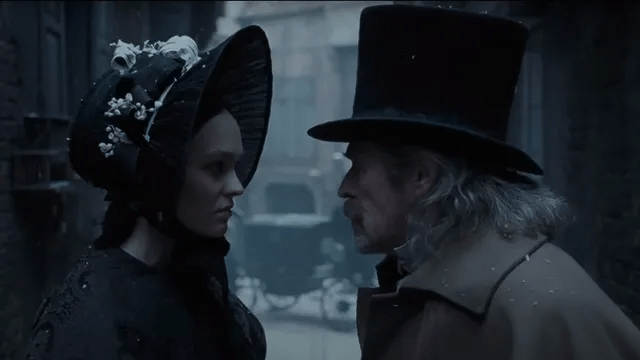
I think the beauty of film is its ability to be interpreted by several points of view. When it comes to films tackling the nuance of femme experience, it is only natural that several points will emerge – and several of them can be supported by textual evidence in the film.
No woman encounters the reality of gender bias, gender expression, or sexuality in the exact same way. To insinuate that viewers should be ashamed to find desire and pleasure in the sexual deviance of the film is, in my humble opinion, the most misogynistic part of this discourse.
Sources
Barnes-Brown, A., & Barnes-Brown, A. (2023, June 7). 10 women who invented Gothic Literature | All about history. All About History | All About History Magazine. https://www.historyanswers.co.uk/people-politics/scream-queens-the-women-who-pioneered-gothic-literature/
Carey, K. (2025, January 5). ‘Nosferatu’s outdated take on female sexuality is frustrating. The Mary Sue. https://www.themarysue.com/nosferatus-outdated-take-on-female-sexuality-is-frustrating/
Ledoux, E. (2017). Was there ever a “Female Gothic”? Palgrave Communications, 3(1). https://doi.org/10.1057/palcomms.2017.42
Leishman, R. (2024, December 31). ‘Nosferatu fans, you’re cooked’: Oh boy here it is, the worst ‘Nosferatu’ take. The Mary Sue. https://www.themarysue.com/nosferatu-fans-youre-cooked-oh-boy-here-it-is-the-worst-nosferatu-take/
Zaccaria, A. (2025, January 19). Nosferatu Reaches Major Box Office Milestone As It Passes Smile 2’s Entire Global Haul. ScreenRant. https://screenrant.com/nosferatu-150-million-worldwide-box-office-milestone/

 Lonely Horror Club