
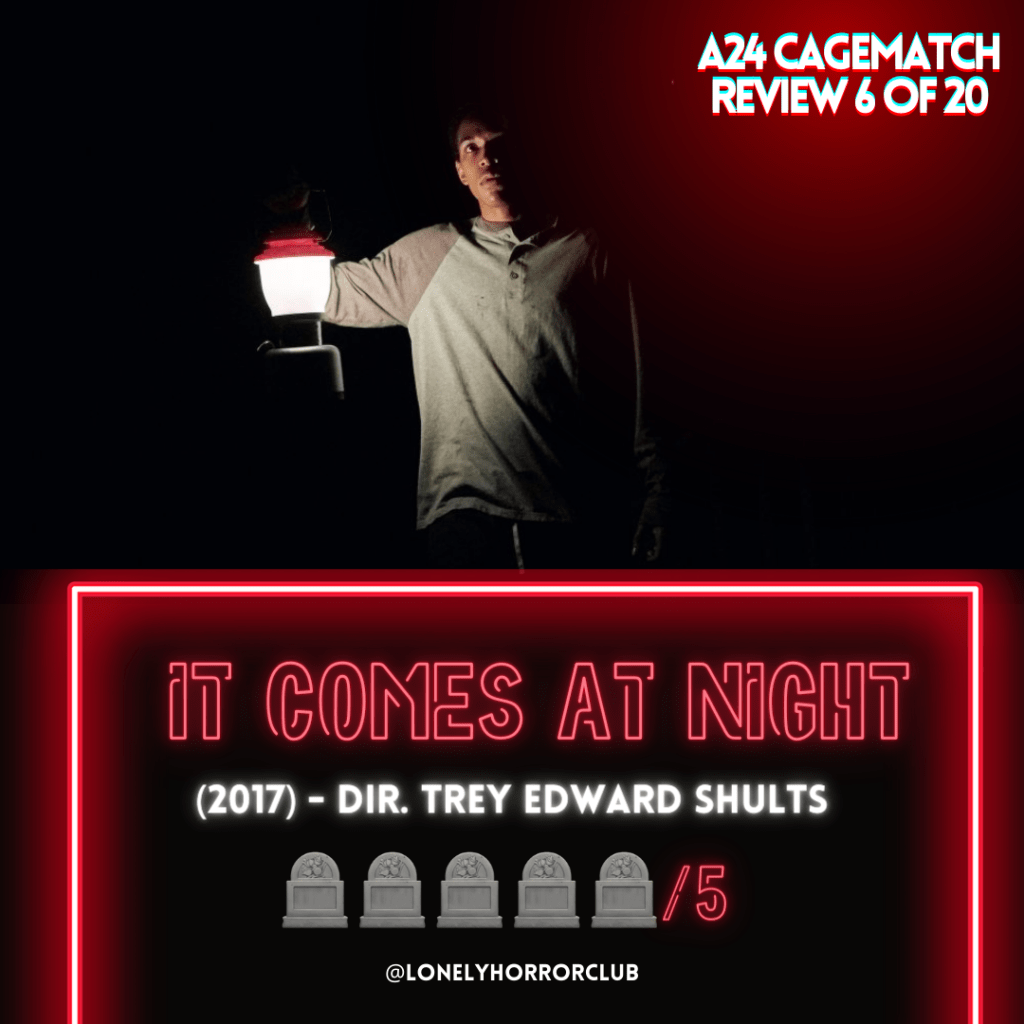
Dir. Trey Edward Shults | Now Streaming On: Paramount+ | Rating: 5/5
This is technically a rewatch for me. I saw this in theaters when it first came out and remembered disliking it for its pacing, but couldn’t remember much about the plot. I think my initial disappointment may have come from the fact that this was marketed as a zombie movie, and there are no zombies in this. On first watch, I was much earlier on in my arthouse journey and this may have been less digestible at that time. Also, this is a pandemic narrative that I believe is much harder hitting in a post-COVID lockdown era. This is all to say, I loved It Comes at Night on my rewatch.
I can see why this took a zombie approach in it’s marketing, because most post-apocalyptic storylines do share significant similarities with zombie narratives. Both, at their core, attempt to comment on human nature, our desperation for survival at all costs. Desperation makes us do crazy things. The crux of this theme is questioning morality, and how our views on right and wrong change when faced with our own inescapable demise.
In this film, we follow Paul’s family as they attempt to survive a pathogen-borne apocalypse. When they encounter another family in the same situation, the interpersonal dynamics begin to complicate their plans. It Comes at Night is filled with gut wrenching dread that builds into a horrifying climax. Much like the greats of this subgenre, the true horror doesn’t lie in the pathogen, it lies in the decisions we make, and insatiable doubt that we never quite overcome when the credits roll.
In our post-COVID world, some of these scenes of isolation, quarantine, and fear hit close to home in a way that is hard to describe. We are all capable of making the decisions Paul does in this film. And in the right circumstance, would we?
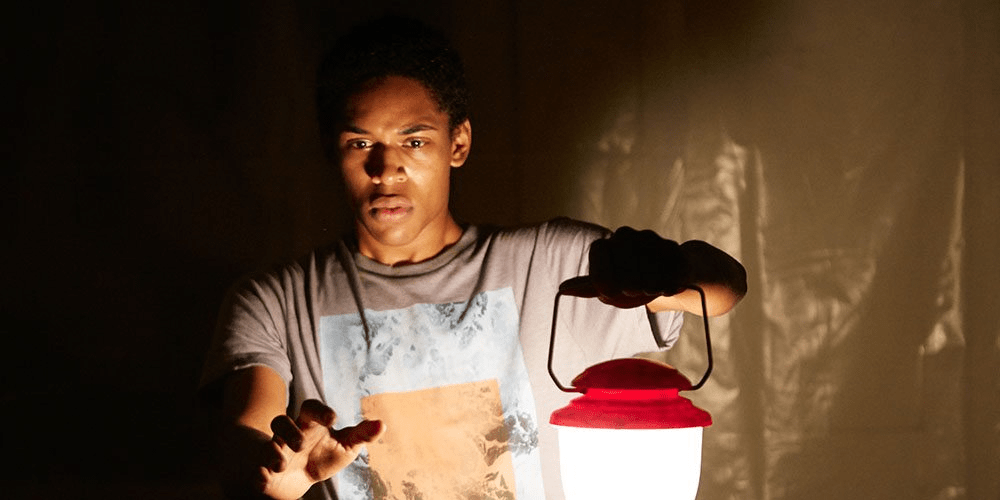
This has to be one of my favorites from A24 technically. The camera work is stunning, with dramatic shots and calculated darkness to aid the tension. The color palette of deep red, oaks, and white contrast the darkness so you don’t feel like you’re staring at your own reflection in your laptop screen the whole film. Storytelling wise, it could benefit from a bit of tightening in its exposition, but otherwise holds its own. I’m about a quarter of the way through my watchlist for the cagematch – could this might end up being my top contender?
Know Before You Watch: Features animal death, death, sex, blood, nudity.


 Lonely Horror Club