
I’m excited to share one of my favorite “watchlists” I’ve ever worked on. If you’ve been following me for a while or listen to me on No Bodies Horror Podcast, you may be able to guess my top horror film of all time – but I hope I still have a few surprises in store for you before we get to #1.
Pulling this list together brought me so much joy. It gave me a chance to reflect on how impactful the horror genre is, despite the fact that it still remains one of the most overlooked and underappreciated art forms in pop culture.
Do we have any of the same top films? What is your number one horror film of all time?
#10 – IT (2017)
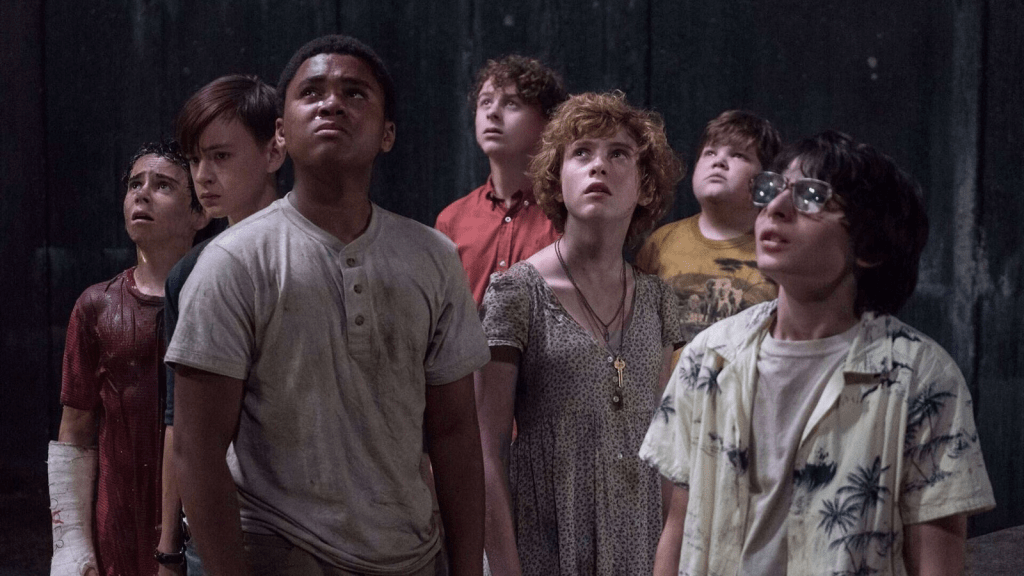
Coming in hot with what some may consider a very controversial film to include. There is something to be said about remakes and how we compare them to their source material, especially as production quality and genre expectations continue to shift over time.
Remake or not, IT (2017) undoubtedly breathed the newest and fullest life into any king adaptation made to date. The film’s meticulous set design, impeccable casting, and loyalty to the source material make this a cinematic homerun. IT (2017) features some of the most impressive world building in contemporary horror. This opened the door for a new Stephen King cinematic universe (even if the King-based films that immediately followed were ultimately flops).
#9 – American Mary (2012)
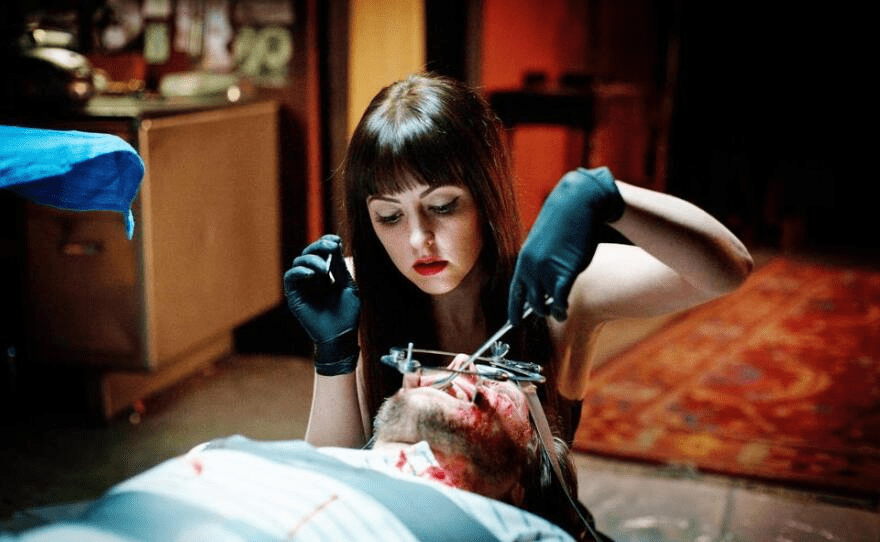
It wouldn’t be a Lonely Horror Club list without a femme-directed and led film. Not only is American Mary (2012) written and directed by the Soska Sisters, it’s also a refreshing standout of the revenge subgenre.
Driven by the witty and committed performance of Katherine Isabelle, this film is unapologetically feminist, funny, and flirty. The Soska Sisters’ storytelling smart as hell, and dangles body horror and beauty in front of the audience. Just beneath the surface of this body modification gorefest is a tortured tale of how we can never truly out run our demons.
#8 – Midsommar (2019)

An A24 film on this list? Gasp! An Ari Aster film on this list? Double gasp!
My love-hate relationship with Aster and A24 knows no bounds. And yet, it is hard to argue that Midsommar (2019) isn’t one of the most visceral, gruesome, and creative commentaries on grief to grace the genre. Florence Pugh cements herself as a genre icon in this is heavy hitter of both acting and in style, even if it is a bit a long winded. Visually stunning, with Aster’s trademark keen attention to details of the macabre, Midsommar (2019) should rightfully earn a spot on even an A24 hater’s Top 10.
#7 – Day of the Dead (1985)
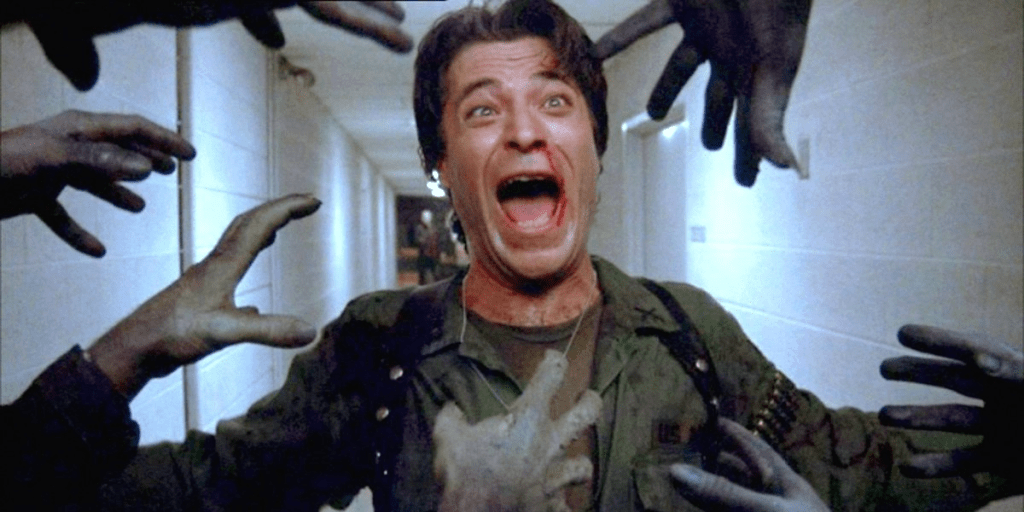
Once a Romero fangirl, always a Romero fangirl. My only Zombie film on this list had to be one from the none other than the Godfather of the Dead.
Day of the Dead (1985), though campy by contemporary standards, is the boldest and bloodiest of Romero’s original Dead films. It seamlessly blends the comedy of 80s zombies with Romero’s blistering commentary on militarism and government corruption. I can’t help but think of how relevant this film’s message still is, especially as we navigate a treacherous political climate internationally. Romero urges the audience to think of themselves in this story and what side of history they want to find themselves on. As long as greed and lust for power exists, the sociopolitical weight of Day of the Dead (1985) will remain a poignant warning of humanity’s future.
#6 – Black Christmas (1974)
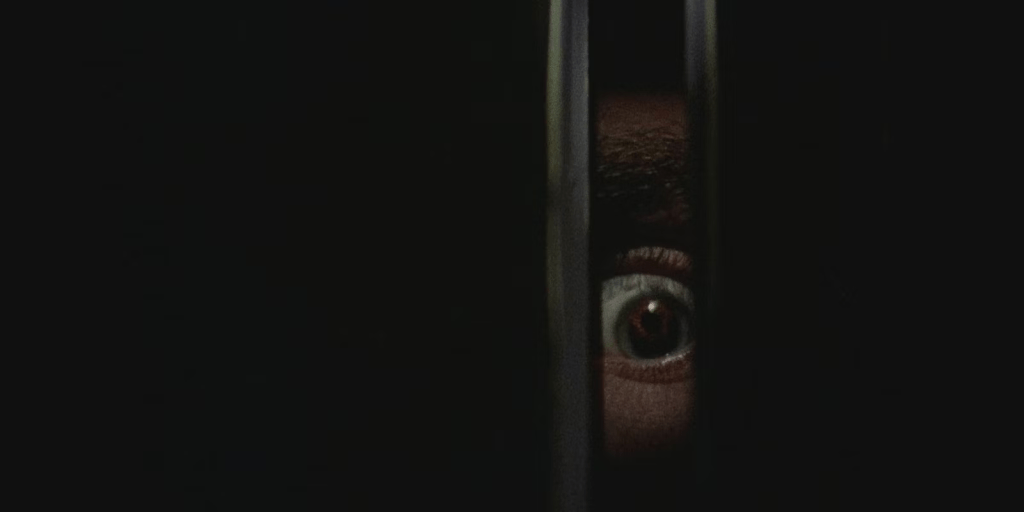
Before Michael, Freddy, and Jason, there was the “The Moaner” and a lonely sorority house in the dead of winter.
Black Christmas (1974) is by far the most unsung and underappreciated of the original slashers. It delivers grit, wit, and suspense that set the stage for leagues of contemporary slasher films. Unlike the slasher franchises that immediately followed, this film knows its worth and has no desire, nor reason, to give you an endless slew of useless sequels. It delivers immediately with sickening kills and does not miss once in its entire runtime. It is no surprise that its remakes can’t hold a candle to the original, let alone the rest of the slasher subgenre.
#5 – Insidious (2010)
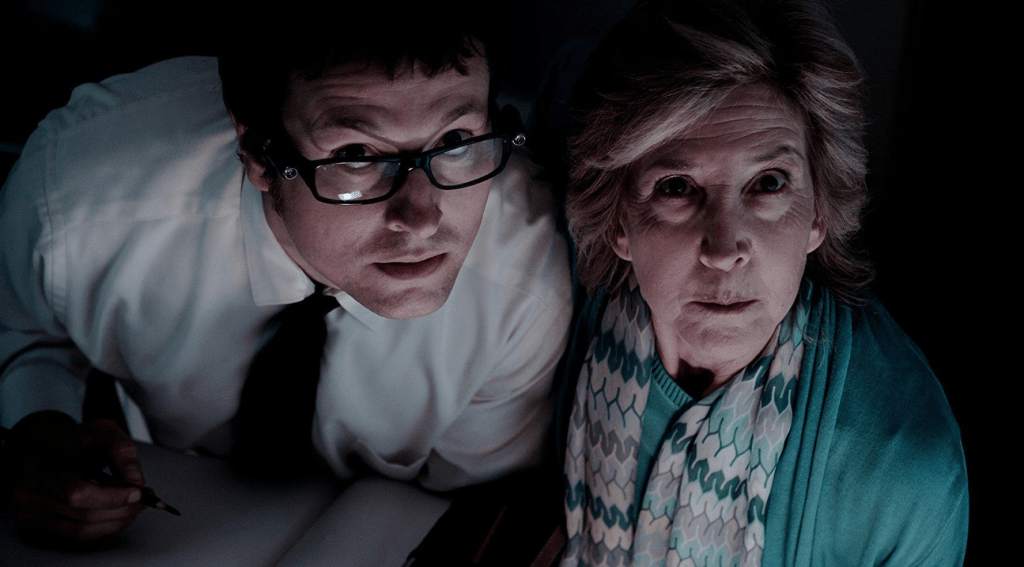
What I would give to relive the Golden Age of 2010s horror. I was introduced to horror in what I like to call the “Blumhouse Blue” Era, where every horror film that was put out had a moody color palette and at least one emo ballad on the soundtrack.
Nostalgia of young Lonely aside, Insidious (2010) serves as a master class in the use of suspense, sound, and color. This franchise’s first installment is not only James Wan, but also 2010s era horror, at their strongest. The iconic scares of this film built my mental reference guide of what I consider scary as a reviewer. This is another film that is becoming more campy as it ages, but its atmosphere and creativity can still go toe to toe with most contemporary releases.
#4 – His House (2020)
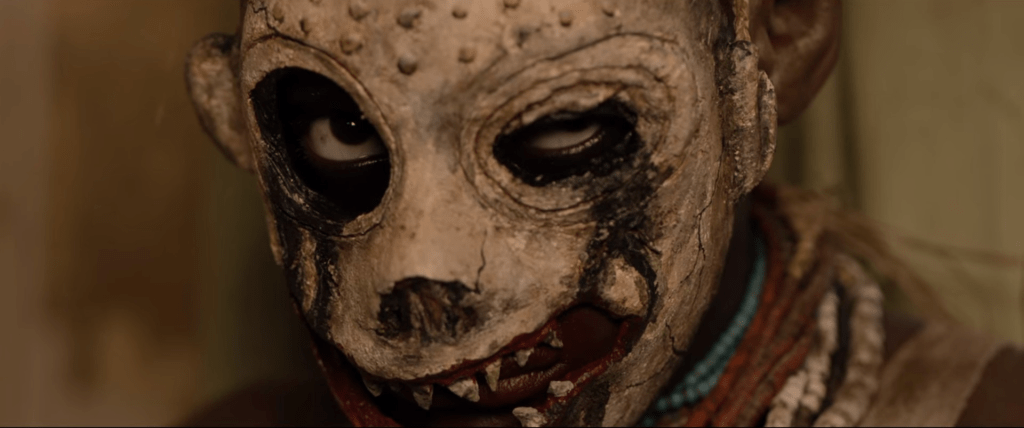
The newest film on my list is also my wildcard. His House (2020) tore its way into my Top 10 just last year. It caused a major upset in my longstanding list of films and even knocked The Blood on Satan’s Claw (1971) out of my Top 10.
His House (2020) is an unflinching commentary on the true horrors of the world around us; war, greed, and hate. This film breaks ground for voices and stories of cultural and ethnic diversity in the genre that is well overdue. Incorporating anecdotal and cultural references from the actual Sudanese refugee crisis, this story is masterfully written and acted. Many horror purists may their noses up at the idea of incorporating an lesser known newcomer into a Top 10 list, but what can I say? I know powerful and successful writing when I see it, and His House (2020) is not one to overlook.
#3 – Hellraiser (1987)
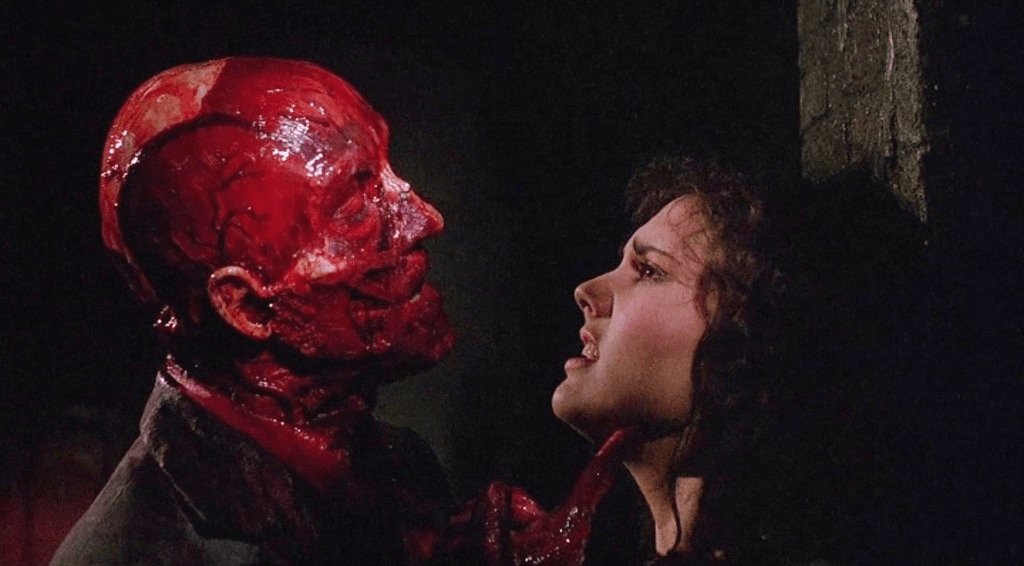
If Clive Barker has zero fans, I am deceased. I will never stop championing both Hellraiser (1987) and its source material, The Hellbound Heart by Clive Barker, as cornerstones of contemporary queer- and body-centric horror.
Hellraiser (1987) is the true underdog story of horror. Barker built the Cenobite universe after his own experiences working as an escort, while struggling to make ends meet as a writer. He fought his way to the top and refused to let anyone else produce this film, ensuring it was truest interpretation of the original source material. Hellraiser (1987) embodies the roots of the genre in its grittiest and dirtiest form, delivering some of the most gruesome and taboo body horror for its time. This film transformed the future of the monstrous sexuality trope and stands tall as an iconic and cult worshipped queer horror piece.
#2 – The Silence of the Lambs (1991)
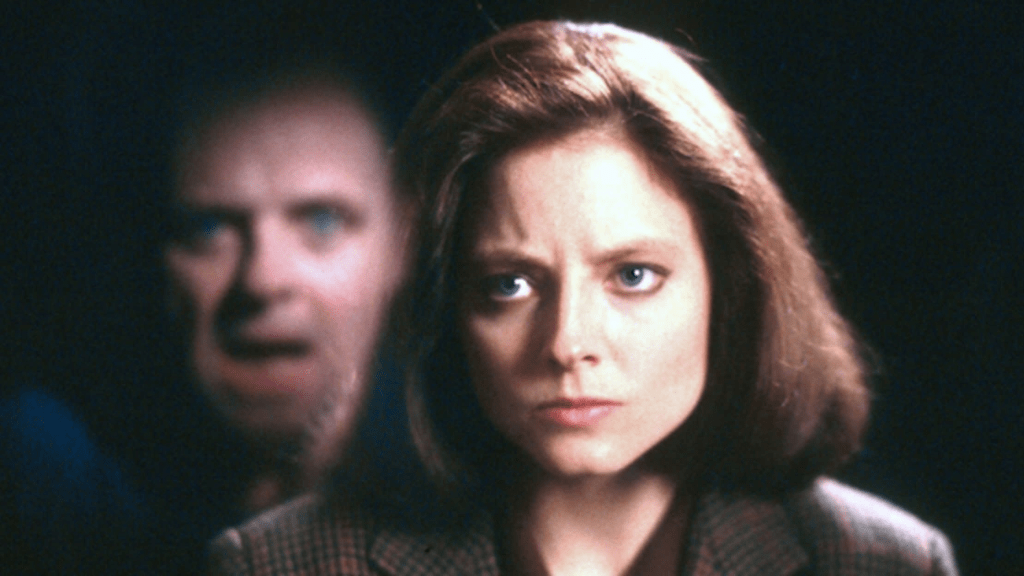
I often go back and forth on moving this film top my #1 spot, even for its commercial and critical success alone. It could be said that The Silence of the Lambs (1991) was the first, and the only, horror film to successfully break into the cinematic “mainstream.”
This film holds the record for the most Oscars awarded to a horror film in history, and stands as 1 of the 3 films in Oscar history to win “The Big Five.” The Silence of the Lambs (1991) proved the potential for horror to be consumed, and adored, by the masses. Hannibal and Clarice built the landscape of thriller and true crime that audiences know and love today, as Thomas Harris’ iconic duo continues to be replicated across multiple genres of film and television.
Though not my #1 film, this is the only horror film that I’ve paid permanent tribute to by etching it into my flesh forever in 2023.

#1 – The Exorcist (1973)
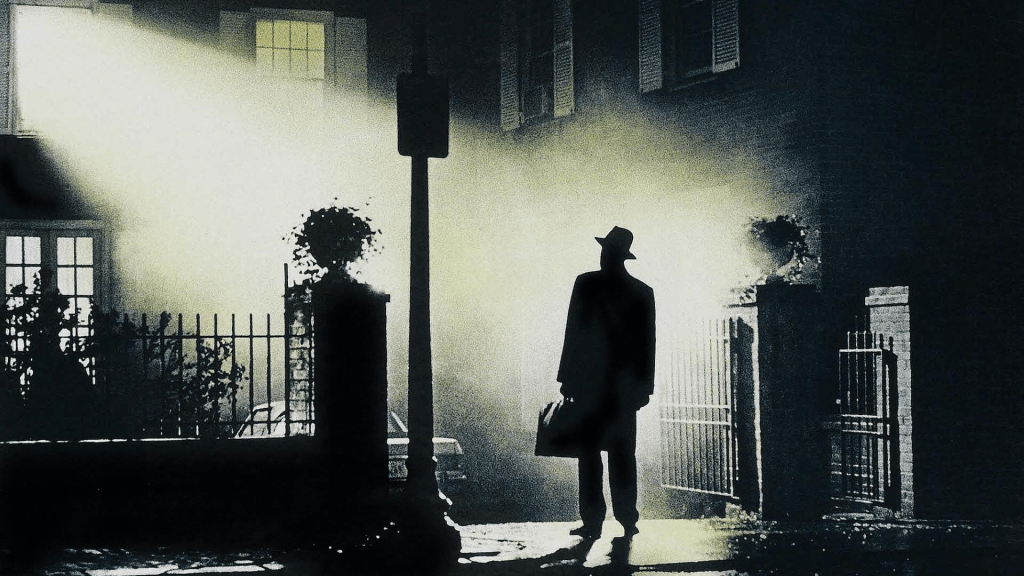
There are two timelines in the horror genre, before The Exorcist (1973) and after. For this reason, this film has held strong as my top horror film for years now. From my perspective, it is impossible to separate this film’s existence from its impact on the horror genre. If this film didn’t exist, the landscape of horror we see today would be an entirely different concept.
This film exemplifies the level of fearlessness that comes with portraying and selling the “forbidden” in horror. Tackling a real life entity as big as the Roman Catholic Church in the 1970s to produce something as “trivial” as a horror film was no small matter. It didn’t just take a jab at Catholicism, corruption, and belief. It dug a knife in and twisted it.
Even over five decades later, if you peel back the layers of recent horror releases, both in and out of the possession subgenre, remnants of the The Exorcist (1973)’s scare, style, and storytelling can still be found. And whether they love it or you hate it, many horror fans cite The Exorcist (1973) as playing a major role in their entry horror and informed what they do and don’t like about the genre.
Our innate ability as human’s to “believe” things into existence is one of the most powerful, and horrifying, realities of our world. And no film captures that reality quite like this classic.


